Traditional Apple Butter Recipe (Slow Cooked & Packed With Fall Flavor)
Old-Fashioned Traditional Apple Butter Recipe (Rich, Smooth, and Slow Cooked)
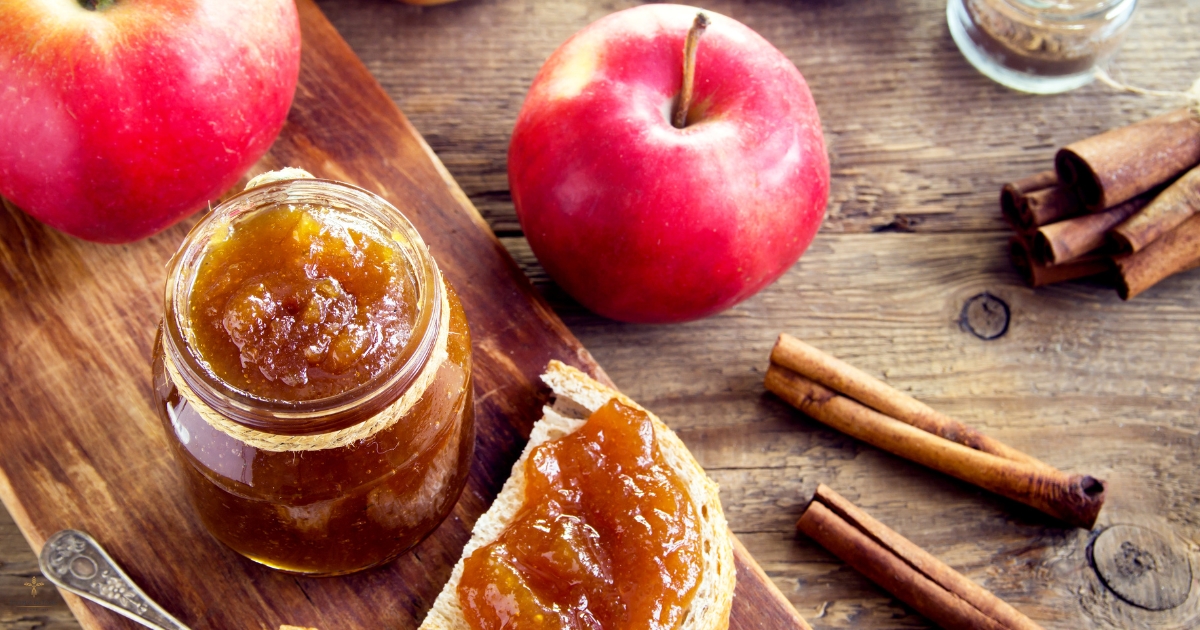
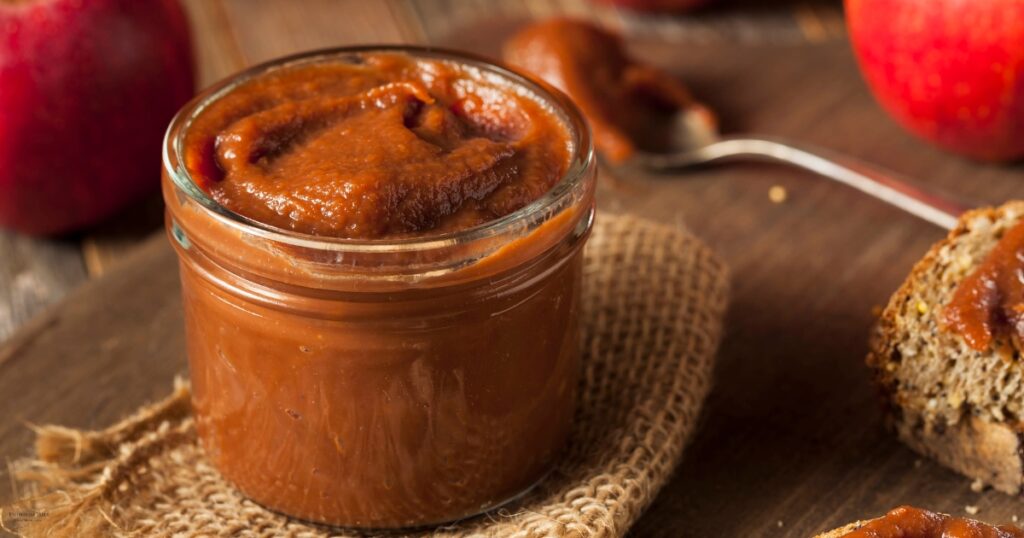
Nothing beats the deep, rich flavor of a traditional apple butter recipe simmered low and slow until the apples break down into a thick, smooth spread. As it cooks, the natural sugars in the apples caramelize with warm spices like cinnamon, nutmeg, and cloves, creating that classic dark color and incredible fall aroma.
This homemade apple butter is simple, old-fashioned, and packed with flavor. Spread it on toast, biscuits, pancakes, or swirl it into oatmeal for a spoonful of pure comfort.
Disclosure: This article contains affiliate links, which means we will earn a commission if you purchase through the links on this page. The product recommendations are solely based on our genuine opinions and experiences. Read the Full Affiliate Disclaimer Here
Traditional Apple Butter Recipe – Thick, Smooth, and Perfectly Spiced
Few things capture the warm, cozy essence of fall like a traditional apple butter recipe slowly simmering away on the stove.
Fresh apples cooking down with cinnamon, nutmeg & cloves gradually transform into a thick, dark spread that’s almost velvety in texture, & which pretty much explodes with deep caramelized flavour.
This homemade apple butter is basically simple, comforting stuff, & deceptively easy to whip up.
You only need a handful of ingredients, a bit of time on your hands & hey, before you know it you’ll have a rich, perfectly spiced spread that tastes amazing on warmed up toast, biscuits, pancakes or oatmeal (stir it in for an extra-special treat .
You can easily turn this rich, homemade apple butter into the perfect ingredient for Apple Butter Snickerdoodle cookies.
Just a few spoonfuls will give your cookies a delicious, spiced apple twist that takes them to a whole new level of cozy fall flavor!
And let’s not forget its ability to be stored and savored for weeks to come, allowing you to bottle up a piece of fall and revisit it whenever your heart desires.
So, get ready and let’s jump right into the heartwarming goodness of our traditional apple butter recipe.
Table of Contents
Best Apples for Apple Butter
When crafting the perfect Traditional Apple Butter Recipe, selecting suitable apples is crucial to achieving the best flavor and texture.
For this recipe, a combination of both sweet and tart apples is ideal. Here are some apple varieties that work wonderfully:
- Granny Smith: A tart apple that holds its shape well during cooking, adding a tangy dimension to the apple butter.
- Jonagold: A mix of Jonathan and Golden Delicious, offering a balanced sweetness and tartness, along with a juicy texture.
- Honeycrisp: Known for its crisp texture and sweet-tart flavor, Honeycrisp apples can bring a delightful sweetness to the recipe.
- Cortland: These slightly tart apples have a tender texture and are great for adding a hint of acidity to the apple butter.
- McIntosh: With a soft texture and a hint of tartness, McIntosh apples break down easily during cooking, contributing to a smooth consistency.
- Fuji: Sweet and crisp; Fuji apples can provide a rich, sweet undertone to the apple butter.
Combining different apple varieties will create a well-rounded flavor profile in your traditional apple butter recipe.
The mix of sweet and tart apples ensures a harmonious, flavorful, and aromatic balance. Feel free to experiment with ratios to suit your taste preferences.
Grab Everything you Need
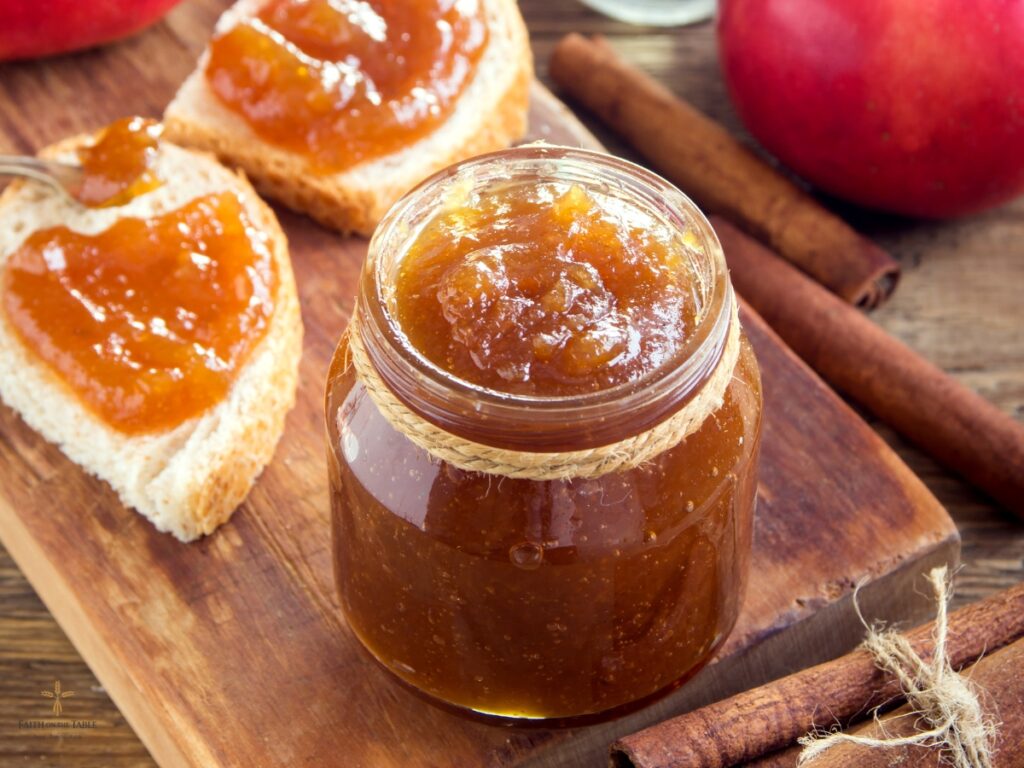
Before we jump into making the traditional apple butter recipe, you must have all your ingredients and kitchen tools ready.
- Cutting board
- Knife or apple corer/peeler
- Large bowl
- Large pot or slow cooker
- Stirring utensil (wooden spoon or spatula)
- Immersion blender or regular blender
- Chilled plate (for testing consistency)
- Measuring cups and spoons
- Lemon juicer or reamer
- Timer
- Clean and dry jars or containers (for storage)
- Canning equipment (if planning to can the apple butter)
Preparing your ingredients by washing, peeling, coring, and chopping the apples ahead of time can also streamline the cooking process.
Having everything organized and within reach will make the cooking experience smooth and enjoyable and yield a delicious traditional apple butter.
What Makes This Recipe “Traditional”?
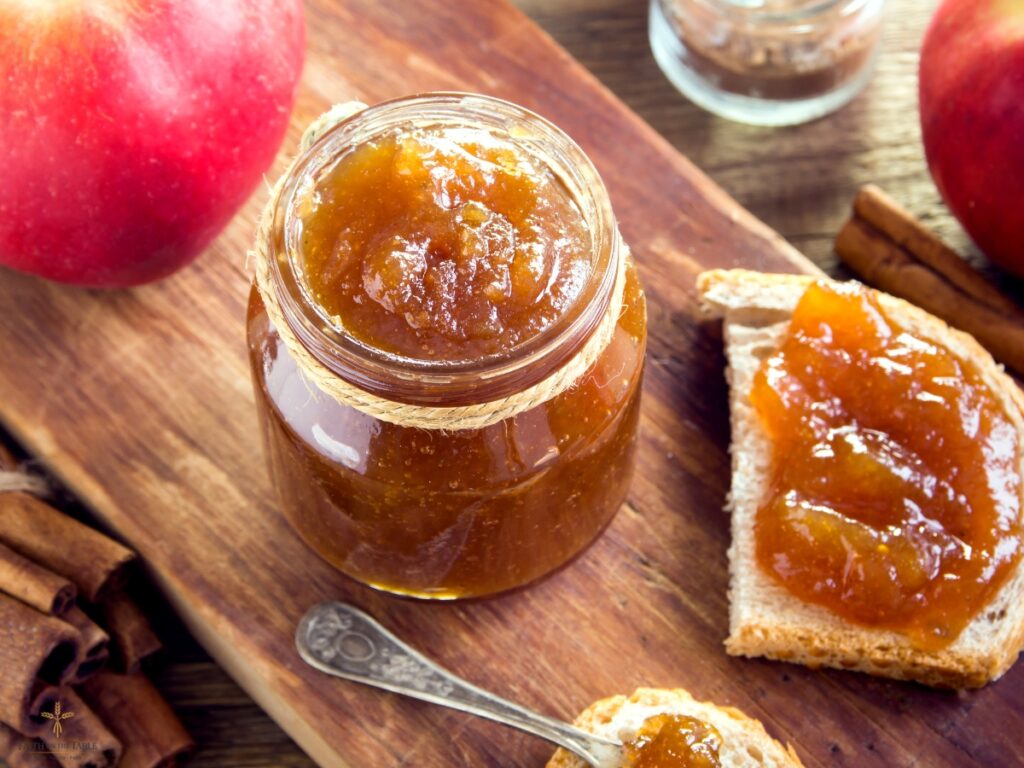
What makes this recipe genuinely traditional is its adherence to time-honored methods and classic ingredients passed down through generations. This Traditional Apple Butter Recipe is deeply rooted in history and nostalgia, capturing the essence of old-fashioned cooking and preserving techniques.
1. Slow Cooking: Traditional apple butter is simmered over low heat for an extended period.
This allows the apples to break down gradually, releasing their natural sugars and flavors while developing a rich, deep color and texture.
2. Simple Ingredients: The recipe uses simple and readily available ingredients such as apples, sugar, and spices.
These ingredients have been staples in traditional recipes for centuries.
3. Classic Spices: The blend of ground cinnamon, nutmeg, and cloves is a classic combination that infuses the apple butter with warm, comforting flavors reminiscent of fall.
4. Long Cooking Time: The recipe calls for a total cooking time of 6 to 8 hours, which is typical of traditional apple butter-making.
This slow cooking process allows the flavors to meld and intensify over time.
5. Handcrafted Process: The use of an immersion blender or regular blender to puree the cooked apples and create a smooth texture is a traditional technique that has been used for generations.
6. Versatility: Traditional apple butter is known for its versatility in the kitchen.
It can be spread on toast, swirled into oatmeal, used as a topping for pancakes, or incorporated into various recipes.
7. Homestead and Harvest Traditions: Apple butter-making was a way for families to preserve the bounty of the apple harvest.
Traditional recipes often have deep ties to family gatherings, community events, and the spirit of sharing.
8. Sense of Connection: Following a traditional recipe like this one can create a sense of connection to the past, allowing us to appreciate the time and care that went into creating such beloved culinary creations.
Know Your Fruits
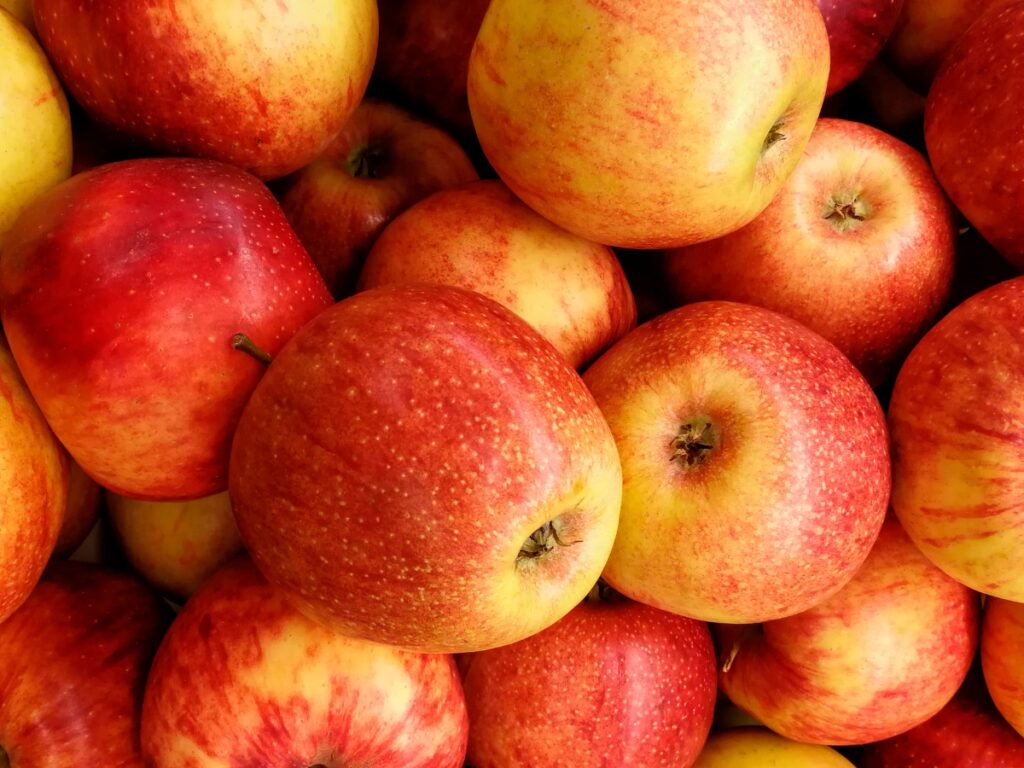
Cooking with Apples offers a range of health benefits, making them a nutritious and versatile ingredient to include in your meals.
1. Nutrient-Rich: Apples are packed with essential nutrients such as dietary fiber, vitamin C, potassium, and various antioxidants.
These nutrients play vital roles in supporting overall health, boosting the immune system, and maintaining healthy bodily functions.
2. Dietary Fiber: Apples are an excellent source of dietary fiber, particularly soluble fiber called pectin.
Fiber supports digestion, helps regulate blood sugar levels, and contributes to a feeling of fullness, which can aid in weight management.
3. Antioxidants: Apples contain antioxidants, including flavonoids and polyphenols, which have been linked to reducing oxidative stress, inflammation, and the risk of chronic diseases such as heart disease, diabetes, and certain cancers.
4. Heart Health: The combination of fiber, antioxidants, and potassium in apples is beneficial for heart health.
These elements can help lower cholesterol levels, reduce blood pressure, and support cardiovascular function.
5. Blood Sugar Control: The fiber content in apples, especially soluble fiber like pectin, can help slow the absorption of sugar and improve blood sugar control.
This makes apples a suitable option for individuals with diabetes or those aiming to manage their blood sugar levels.
6. Weight Management: Apples are naturally low in calories and rich in fiber, making them a satisfying snack that can help control appetite and contribute to weight management.
7. Gut Health: The fiber in apples promotes a healthy gut by supporting the growth of beneficial gut bacteria.
A healthy gut microbiome is linked to improved digestion, immune function, and overall well-being.
8. Hydration: Apples have a high water content, which aids in hydration. Staying hydrated is essential for various bodily functions, including circulation, digestion, and temperature regulation.
9. Low in Fat: Apples are naturally low in fat and cholesterol-free, making them a heart-healthy option for those looking to maintain a balanced diet.
10. Versatility: Cooking with apples allows you to enjoy their natural sweetness without adding excessive sugar.
They can be used in both sweet and savory dishes, adding flavor, texture, and nutrients to various recipes.
*FUN FACT*
From baked goods to savory dishes and snacks, incorporating apples into your cooking can enhance the nutritional value of your meals while adding a burst of natural sweetness and a host of health benefits.
The Tools I Love When Making This Apple Butter Recipe
These are the exact tools I use to make this recipe taste like autumn in a jar every time:
- Slow Cooker – set it and forget it while the flavors deepen
- High-Powered Immersion Blender – for silky-smooth texture
- Wide Mouth Mason Jars – perfect for canning and gifting
- Nutmeg Grater or Microplane – fresh spice makes a huge difference
- Kitchen Scale – for spot-on measurements, every time
The Recipe: Traditonal Apple Butter
This traditional apple butter recipe is a simple, old-fashioned way to turn fresh apples into a thick, smooth spread packed with warm fall flavor.
With just a handful of ingredients and a little patience, you’ll have homemade apple butter that tastes far better than anything from the store.
Here’s exactly how to make traditional apple butter at home:
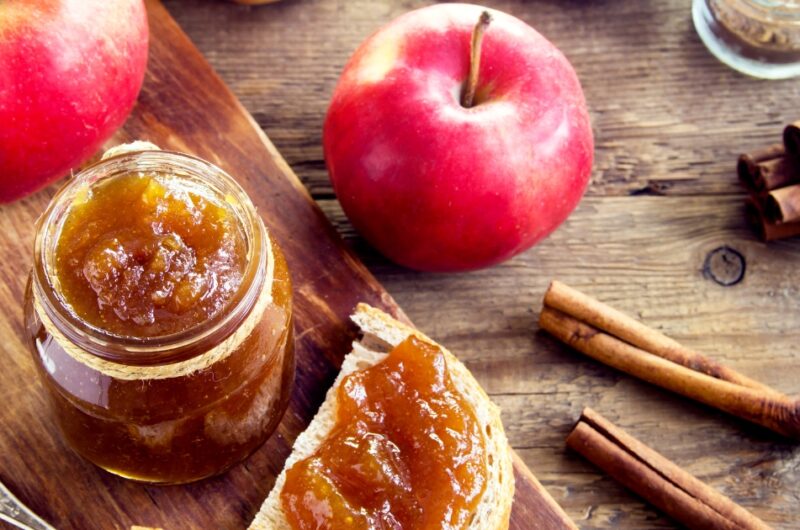
Traditional Apple Butter Recipe
Course: DessertsCuisine: AmericanDifficulty: Easy5
Cups20
minutes8
hours224
kcalFresh apples, Slowly simmered with cinnamon, nutmeg, and cloves, the apples break down into a rich, caramelized butter that’s perfect on toast, biscuits, pancakes, or stirred into oatmeal.
Ingredients
5 pounds apples, peeled, cored, and chopped
1 cup brown sugar
1 tablespoon cinnamon
½ teaspoon nutmeg
¼ teaspoon ground cloves
1 teaspoon vanilla extract
Pinch of salt
Directions
- Prepare the apples
Peel, core, and chop the apples into small chunks. Smaller pieces will cook down faster and more evenly. - Combine the ingredients
Add the chopped apples to a large heavy-bottomed pot or Dutch oven. Stir in the brown sugar, cinnamon, nutmeg, cloves, vanilla extract, and a pinch of salt. - Cook the apples
Place the pot over medium heat and cook for 20–30 minutes, stirring occasionally, until the apples soften and begin to break down. - Blend until smooth
Use an immersion blender directly in the pot to blend the mixture until smooth.
(Alternatively, transfer the mixture to a blender and puree in batches.) - Slow simmer
Reduce the heat to low and continue cooking for 45–60 minutes, stirring every 10–15 minutes to prevent sticking. The apple butter will gradually darken and thicken. - Check the consistency
The apple butter is ready when it becomes thick, smooth, and holds its shape on a spoon. - Cool and store
Allow the apple butter to cool completely before transferring it to clean jars or airtight containers.
Notes
- SUBSTITUTIONS:
Sweeteners: If you’re looking to reduce sugar content, you can replace some or all of the granulated and brown sugars with alternative sweeteners like honey, maple syrup, or coconut sugar. Keep in mind that this may affect the texture and flavor.
Apples: While the recipe calls for a mix of sweet and tart apples, you can experiment with different apple varieties based on your preferences and availability. Just be mindful that the flavor and texture of the apple butter may vary slightly.
Spices: If you don’t have certain spices on hand or prefer different flavors, you can adjust the spice blend. For instance, you might use allspice, ginger, or cardamom in place of nutmeg or cloves.
Citrus: If you don’t have a fresh lemon for juice, you can use bottled lemon juice or other citrus juices like orange or lime. Just note that this may slightly alter the flavor.
Vanilla Extract: If you don’t have vanilla extract, you can omit it or substitute with other extracts like almond or maple, depending on your taste preferences.
Canning: If you’re not planning to can the apple butter for long-term storage, you can refrigerate it in airtight containers instead. Just keep in mind that the shelf life will be shorter.
Blending: If you don’t have an immersion blender, you can use a regular blender to puree the cooked apples. Allow the mixture to cool slightly before blending to prevent steam buildup.
Cooking Time: While the recipe recommends 6-8 hours of slow cooking, you can adjust the cooking time based on your schedule and desired consistency. Keep in mind that longer cooking times will intensify flavors and thicken the apple butter.
Remember that substitutions can impact the final taste, texture, and overall outcome of the recipe. It’s always a good idea to make small adjustments and taste as you go to ensure that the flavors remain balanced and appealing to your palate.
How to Know When Apple Butter Is Ready
Apple butter is finished when it becomes thick, smooth, and deeply caramelized in color. As it cooks, moisture slowly evaporates and the natural sugars in the apples concentrate.
You’ll know it’s ready when:
- The color turns deep brown
- The mixture becomes thick and glossy
- A spoon dragged through it leaves a trail
- It holds its shape on a spoon
If your apple butter still looks light in color or runny, simply keep simmering. The longer it cooks, the richer the flavor becomes.
How to Store Apple Butter
Homemade apple butter stores well and tastes even better after the flavors settle.
- Refrigerator: Store in an airtight jar for up to 2 weeks
- Freezer: Freeze for 3–4 months
- Canning: Properly canned apple butter can last up to a year
Always allow the apple butter to cool completely before sealing it in containers.
Wrapping It Up: The Apple Butter That’s Always Worth It
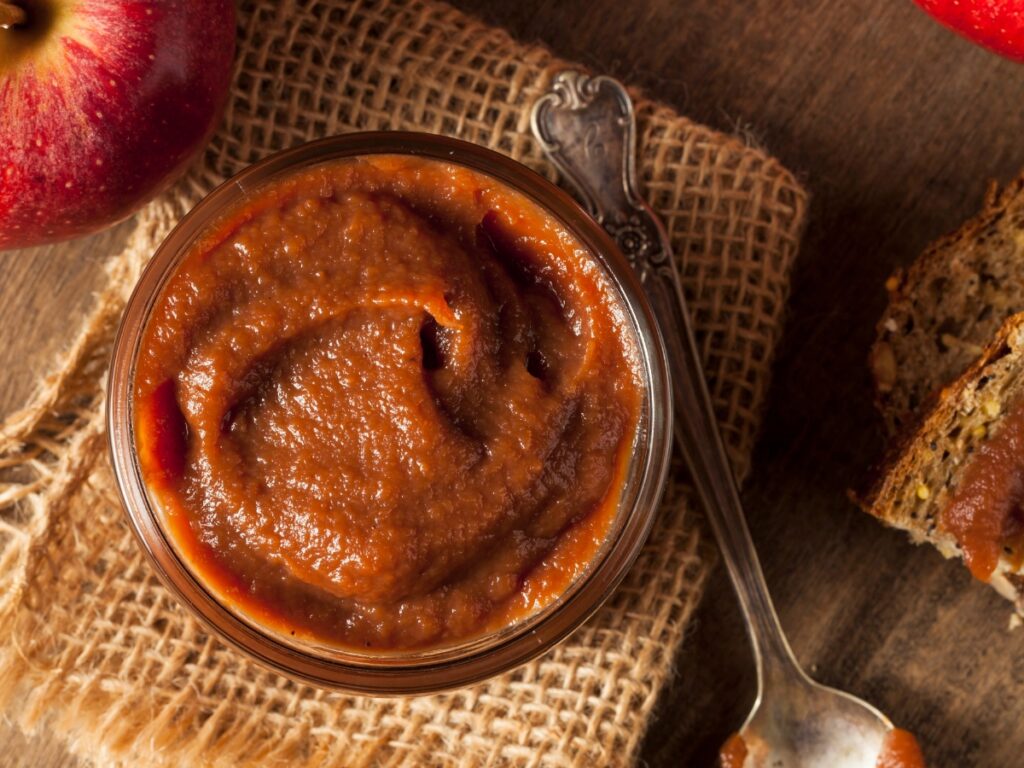
There’s something special about making a traditional apple butter recipe from scratch.
With just a few simple ingredients and a little time on the stove, fresh apples transform into a rich, smooth spread filled with warm spice and deep caramelized flavor.
Whether you enjoy it on toast in the morning, swirled into oatmeal, or baked into your favorite fall desserts, homemade apple butter is one of those timeless recipes that never goes out of style.
Once you taste how good it is made at home, it’s hard to go back to store-bought.
Frequently Asked Questions
How long does homemade apple butter last?
Stored in an airtight jar in the fridge, it can last up to 3 weeks. You can also freeze it for up to 3 months!
Can I make this without a slow cooker?
Yep! You can simmer it low and slow on the stovetop or bake it in a Dutch oven at 300°F for a few hours—just stir regularly so it doesn’t scorch.
Is this apple butter recipe good for canning?
Yes—just be sure to use sterilized jars and follow safe water bath canning practices if storing at room temp.
Can I reduce the sugar?
Definitely. Taste as it cooks—some apples are naturally sweet enough. Honey or maple syrup also work great as swaps.