
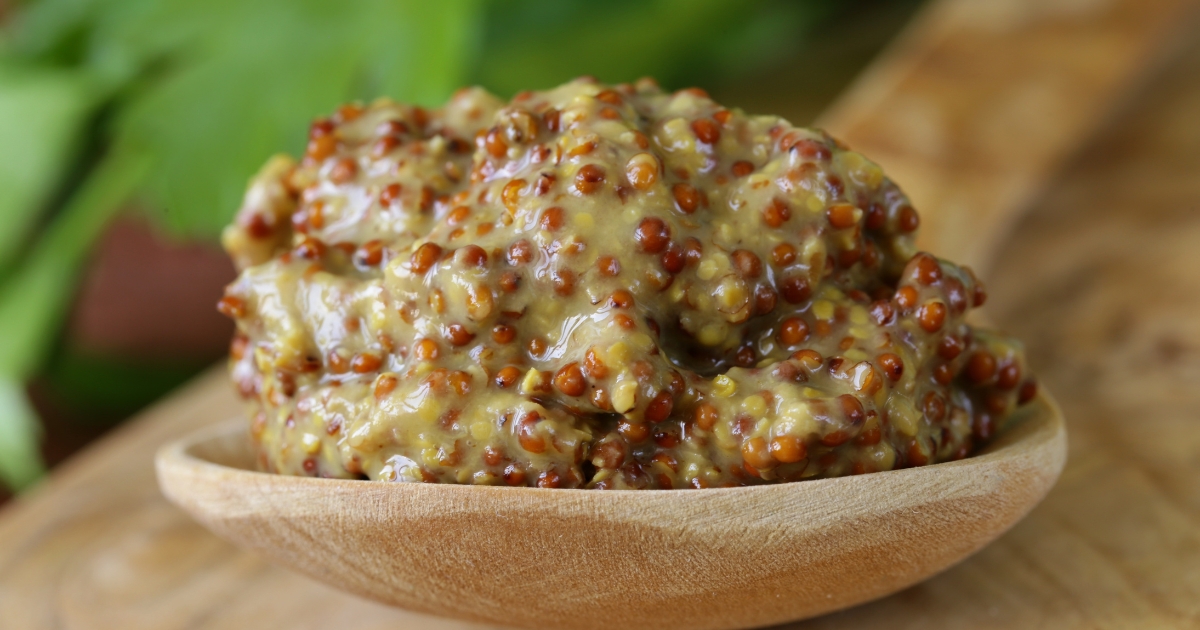
Best Homemade Mustard Recipe (Bold & Rustic Flavor)
This homemade stone ground mustard is bold, rustic, and incredibly easy to make. With just a handful of ingredients, you’ll create a rich, flavorful condiment that beats anything store-bought.
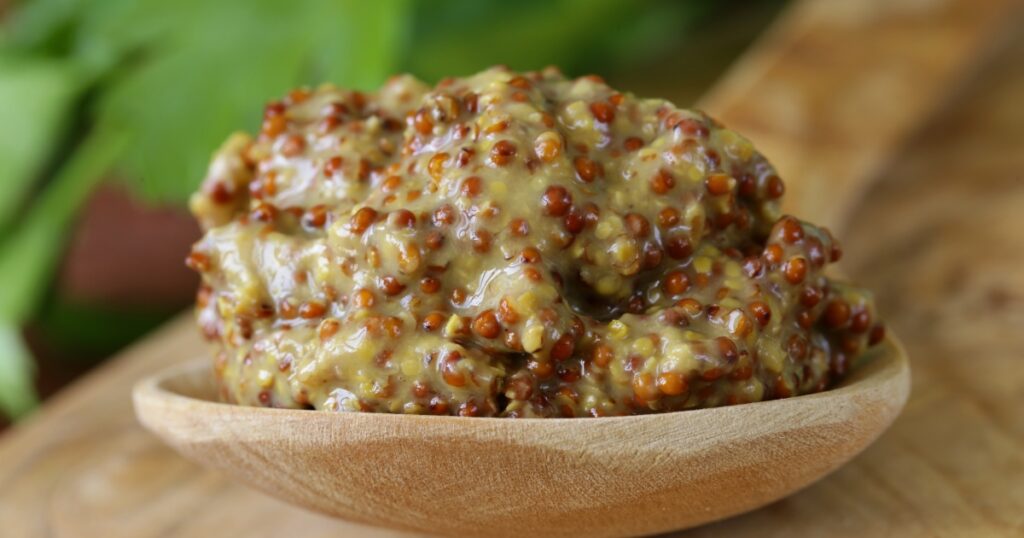
Master the Art of Homemade Stone Ground Mustard
There’s something about making your own mustard that just feels right.
Not the squeeze bottle kind… the real stuff. Coarse, bold, and packed with flavor.
This is one of those recipes that brings you back to the basics—simple ingredients, a little patience, and something truly special at the end.
Once you make this, you’ll start finding excuses to put mustard on everything just to satisfy those mustard cravings.
Why Trust This Recipe
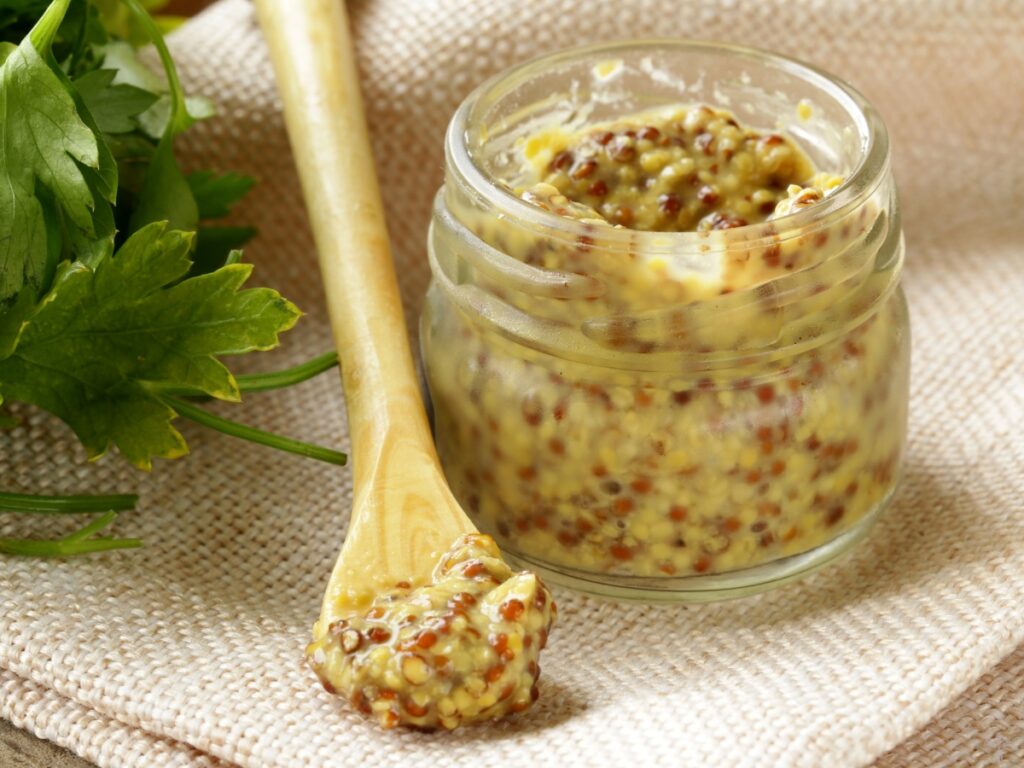
I’ve spent over 30 years in professional kitchens learning how simple ingredients can be transformed into something memorable.
Mustard might seem basic, but getting the balance right—texture, acidity, and flavor—is what separates something average from something you actually crave.
This recipe is built the same way I approach food in the kitchen: start with real ingredients, keep the process simple, and let the flavor develop naturally. No shortcuts, no fillers—just a method that works every time.
I’ve tested this with different seed blends, grind levels, and ratios to make sure it comes out consistent, bold, and balanced. Whether you like it coarse and rustic or slightly smoother, this gives you full control to make it your own.
And most importantly—it’s something you’ll actually use. Not just make once and forget about.
Table of Contents
Why Make Your Own Mustard?
- Fresh, bold flavor that store-bought can’t match
- No preservatives or unnecessary additives
- Fully customizable flavor and texture
- That “I made this” moment never gets old
What Is Stone Ground Mustard?
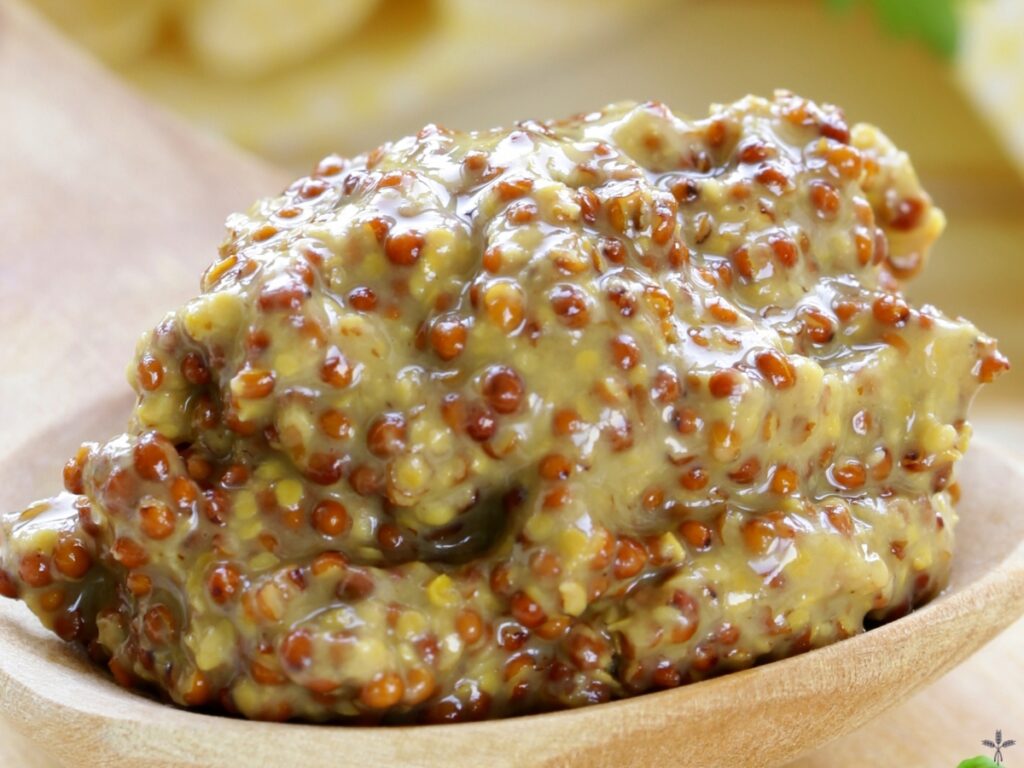
Stone ground mustard is made by crushing whole mustard seeds instead of fully blending them smooth.
That gives you:
- A coarse, rustic texture
- A deeper, more complex flavor
- A mustard that actually stands out on the plate
What Is The Difference Between Mustard and Stone-Ground Mustard?
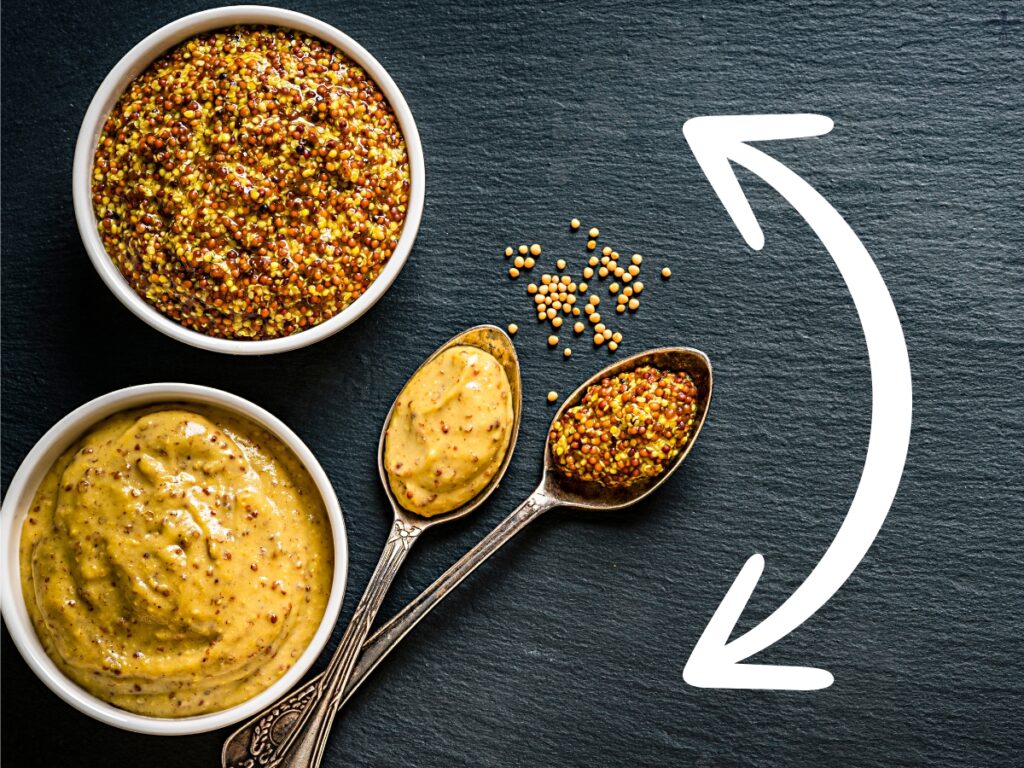
The difference between regular mustard and spicy stone ground mustard lies primarily in their preparation methods, texture, and flavor profiles
Preparation Method
Regular Mustard typically refers to the smooth, uniformly blended mustard commonly found in stores. It’s usually made by finely grinding mustard seeds into a dry mustard powder and mixing them with liquids like water, vinegar, and various seasonings like turmeric or garlic powder. The seeds are ground using modern mechanical methods.
Stone Ground Mustard: As the name suggests, stone ground mustard is made by grinding whole mustard seeds with a stone mill. With not much additional prep time this traditional method of grinding helps retain some of the seeds’ texture. The process is gentler and retains more of the seeds’ natural characteristics.
Texture
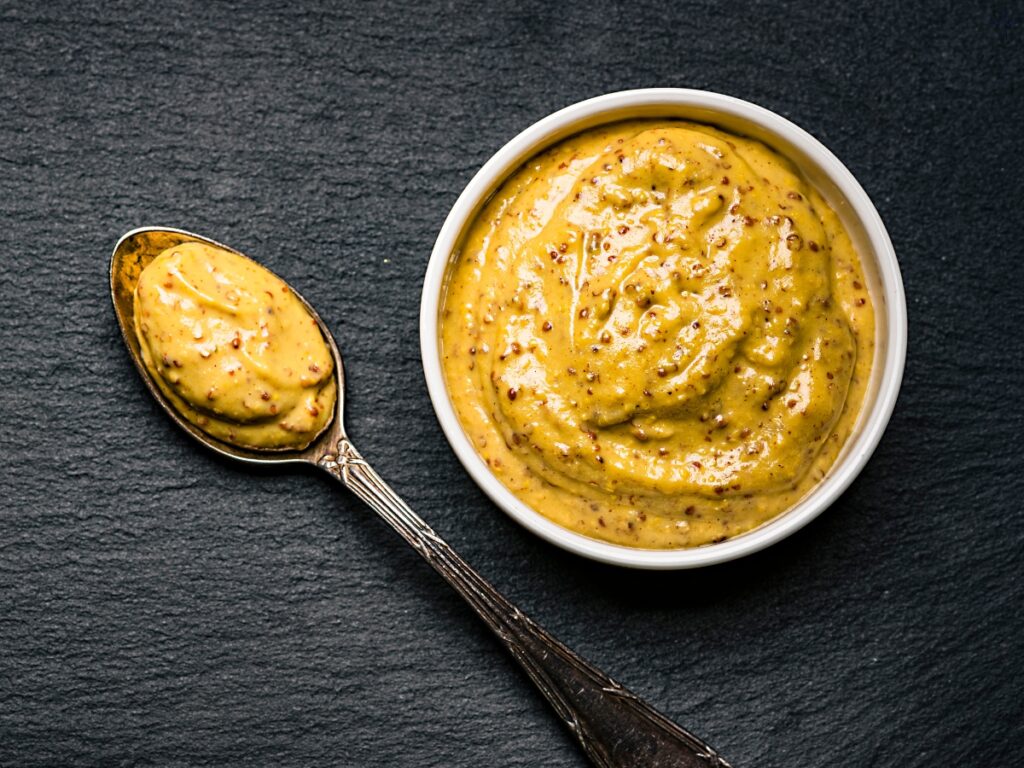
Regular Mustard: Often has a smooth, even consistency without noticeable seed fragments. Depending on the type and brand mixed with the dry mustard, it’s more homogenized and can range from very creamy to slightly gelatinous almost like ketchup or Mayo.
Stone Ground Mustard: Characterized by a coarser texture with visible, partially ground mustard seeds. This provides a more rustic and hearty mouthfeel, a distinctive feature of stone ground mustard.
Flavor
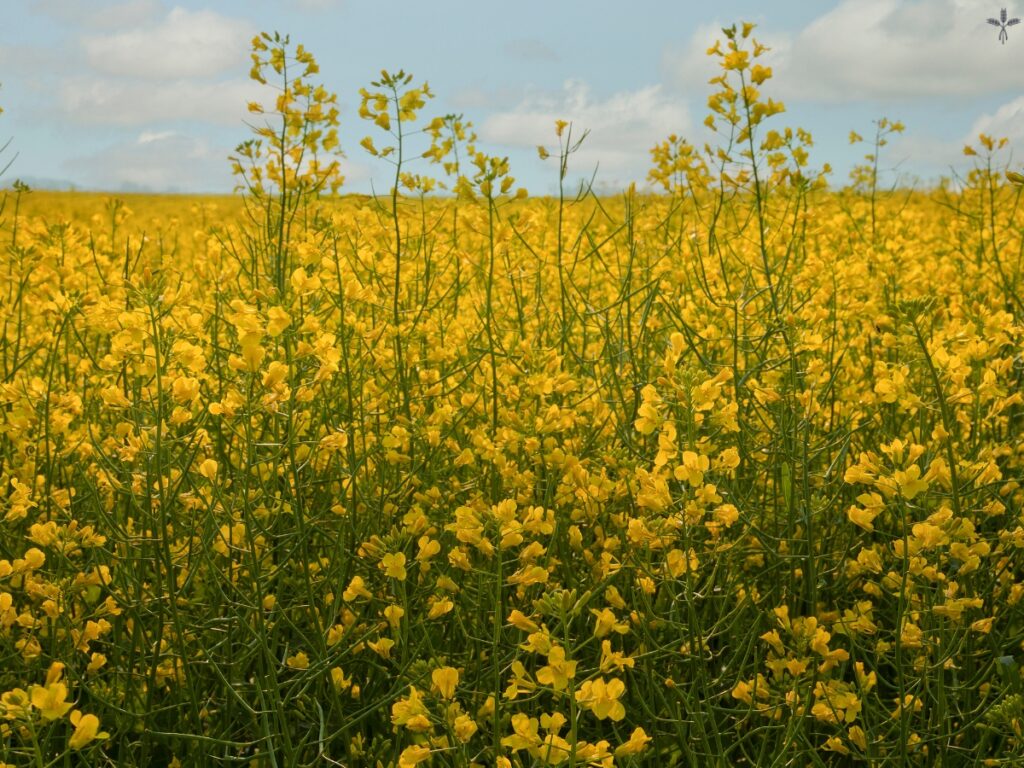
Regular Mustard: The flavor can vary widely, from mild to sharp, depending on the type of mustard seeds used and the blend of ingredients. However, the grinding process can sometimes reduce the potency of the seeds’ natural flavors.
Stone Ground Mustard: Tends to have a more robust and complex flavor profile. The gentle grinding process preserves more of the natural flavors of the mustard seeds, often resulting in a deeper, more nuanced taste. The texture also adds to the sensory experience.
Uses
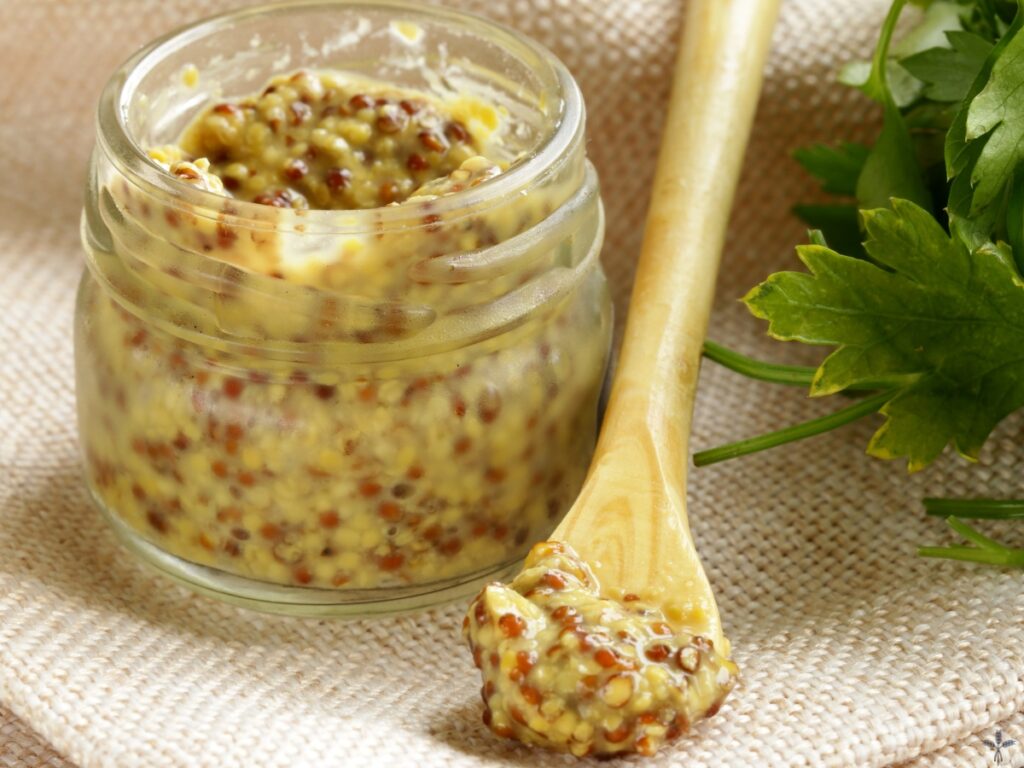
- Regular Mustard: Due to its smooth texture from using dry mustard powder, it is versatile and often used as a spicy spread in dressings, marinades, and various culinary preparations where a smooth consistency is desired, like a barbecue sauce or yellow mustard on a Cuban sandwich.
Stone Ground Mustard: Its coarse, rustic texture makes it ideal for dishes where you want to add a bit of crunch and visual appeal. It’s often preferred in artisanal sandwiches, charcuterie boards, and as a condiment for meats and cheeses.
The main differences lie in the preparation method, resulting in distinct textures and flavor profiles.
Stone ground mustard, combined with its traditional preparation and coarser texture, offers a more artisanal and robust taste experience compared to
Equipment You Need
- Mixing bowl
- Mortar and pestle or spice grinder
- Glass jar with lid
The Recipe: Stone Ground Mustard
Make your own homemade mustard with just 4 simple ingredients. This easy mustard recipe is perfect for beginners and creates a rich, tangy stone ground mustard you’ll use on everything.
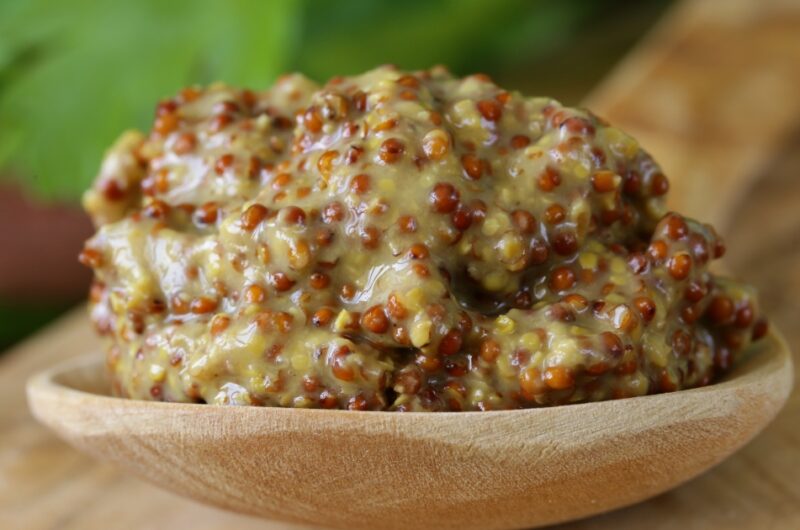
Stone Ground Mustard
Course: CondimentCuisine: FrenchDifficulty: Easy36
servings10
minutes12
hours40
kcalA bold, rustic homemade mustard made with whole mustard seeds for deep flavor and a coarse texture. Perfect for sandwiches, sauces, and charcuterie boards.
Ingredients
1 cup whole mustard seeds (yellow, brown, or a mix)
1 cup cold water
3 tablespoons vinegar (white wine or apple cider)
2 teaspoons kosher salt
- Optional:
1–2 tablespoons honey
Fresh herbs (thyme or rosemary)
Pinch of cayenne pepper
Directions
- Soak the Seeds
Add mustard seeds and water to a bowl. Cover and let sit overnight (8–12 hours). - Grind the Seeds
Grind the soaked seeds to your desired texture. Keep it slightly coarse for that classic stone ground feel. - Add Vinegar and Salt
Mix in vinegar and salt. Stir until it forms a thick, spreadable paste. - Adjust Flavor
Taste and adjust with honey, herbs, or extra vinegar if needed. - Rest and Develop
Transfer to a jar and refrigerate for at least 24–48 hours before using.
Notes
- The flavor mellows as it rests
Add more liquid if the mustard becomes too thick
Use more brown seeds for a spicier mustard
Flavor Variations
- Honey mustard for balance
- Spicy mustard with cayenne or extra brown seeds
- Herb mustard with thyme or rosemary
- Beer mustard by swapping water for beer
Storage and Usage
Store in an airtight jar in the refrigerator for up to 1 month.
Use it on sandwiches, burgers, dressings, or as a glaze for meats.
For the ultimate combo, try it with sourdough pretzels—it doesn’t get much better than that.
The Perfect Pairing: Sourdough Pretzels and Stone Ground Mustard
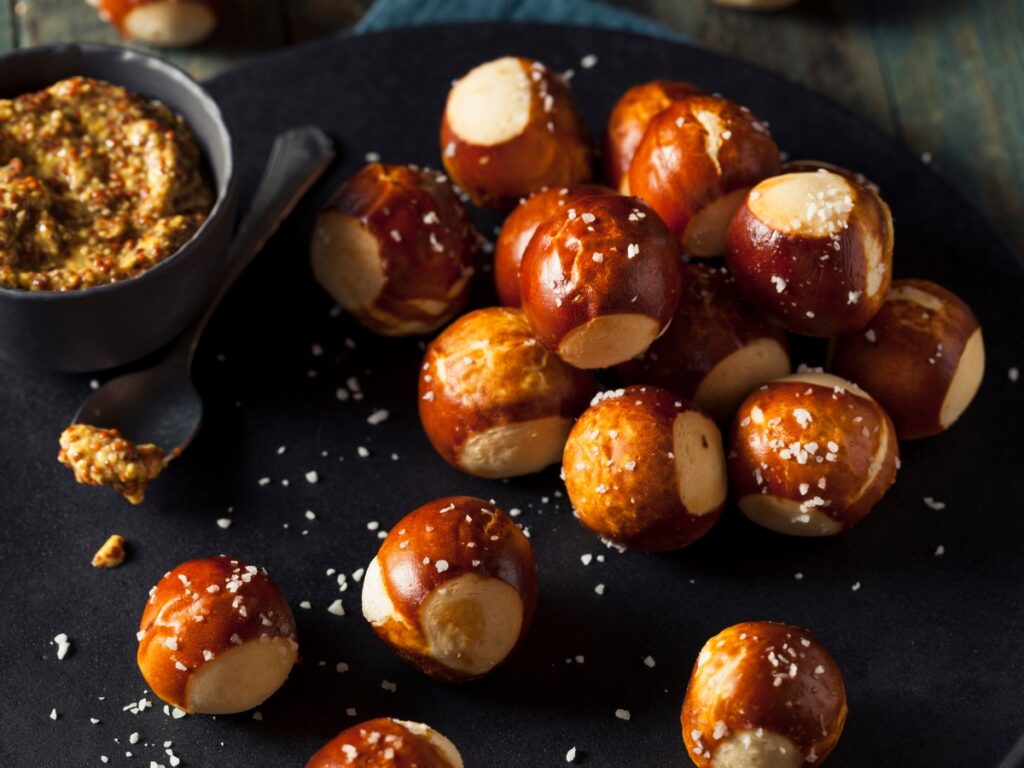
If there’s one way to take this mustard to the next level, this is it.
Soft, warm sourdough pretzels dipped into bold, stone ground mustard—it’s one of those combinations that just works every single time. The slight tang from the sourdough paired with the sharp, rustic bite of the mustard creates the perfect balance of flavor.
Whether you’re serving these for a gathering, game day, or just making something fun at home, this pairing never disappoints.
If you haven’t tried it yet, you’re missing out.
👉 Make sure to check out my Sourdough Pretzels Recipe and bring the whole thing together.
Conclusion
This is one of those simple recipes that delivers big.
A few ingredients, a little time, and you end up with something that feels completely elevated.
Once you start making your own mustard, it’s hard to go back to the store bought garbage or that mustard subscription box your mom signed you up for..
I encourage you to dive into this recipe, play with flavors and enjoy the journey of mustard making.
FAQ
What is the best type of mustard seed to use?
Yellow seeds are milder, while brown or black seeds are more intense. A mix gives the best balance.
How long does homemade mustard last?
Stored in the fridge, it lasts up to 1 month.
Why does my mustard taste bitter?
Fresh mustard can taste sharp at first. Let it rest for 1–2 days and the flavor will mellow.
Can I make it smoother?
Yes, grind it longer or blend it for a smoother consistency.
What if my mustard is too thick?
Add a small amount of water or vinegar and stir to loosen it.
Can I skip soaking the seeds?
You can, but soaking helps soften the seeds and improves texture and flavor.


One Comment